


Party and bar drugs
Some people use drugs as part of a night out. Here’s what you need to know about some common substances - what the risks are, and how to use more safely.
No matter what you or your friends are using, look out for each other.
It’s okay to say no or take a break whenever you need.
Stay alert for any signs of distress and step in to help if needed.
In an emergency, call 911 for medical services. In PA, you are protected under the Good Samaritan Law (Act 139 of 2014, "Drug Overdose Response Immunity Act") and will not get in trouble with the police.
Get information about the following drugs:
Test your supply! Get free fentanyl, xylazine, and medetomidine test strips, naloxone & more at our Get Supplies page.
MDMA
✳︎
Cocaine
✳︎
Poppers
✳︎
Nitrous
✳︎
Meth
✳︎
Ketamine
✳︎
GHB/GBL
✳︎
MDMA ✳︎ Cocaine ✳︎ Poppers ✳︎ Nitrous ✳︎ Meth ✳︎ Ketamine ✳︎ GHB/GBL ✳︎
MDMA
molly, ecstasy, x, e
MDMA is a stimulant and psychedelic that increases energy and enhances feelings of empathy, connection, and emotional openness. It is popular at clubs, raves, and festivals.
-
Effects begin in 20–40 minutes, peak around 1–2 hours, and gradually fade over 3–6 hours. After-effects may linger longer.
High doses can feel overwhelming, some users report dizziness, confusion, or emotional blunting.
Frequent use can deplete serotonin and reduce MDMA effects. Taking breaks between uses is recommended.
Side effects and complications include jaw clenching, teeth grinding, eye twitching, dehydration, increased heart rate and blood pressure, pupil dilation, sweating, appetite suppression, difficulty urinating, overheating (hyperthermia), water intoxication (hyponatremia), anxiety or paranoia, and potential liver injury.
Crash: Can last 1–3 days and may include fatigue, low mood, anxiety, or irritability, especially after lack of sleep or high doses.
-
Mixing drugs increases the risk of serious health issues. Always check individual interactions and limit combinations:
+ Other stimulants (like cocaine, amphetamines) = Increases risk of overheating, heart strain, and seizures.
+ SSRIs (like Prozac, Zoloft)= Can reduce MDMA's effects, which may lead to risky redosing.
+ Alcohol = can reduce your awareness of MDMA’s effects, leading to overheating or accidental overuse.
! In Philadelphia, many substances sold as ecstasy or molly do not actually contain MDMA, and may instead contain methamphetamine, synthetic cathinones, or other research stimulants.
-
Eat well and stay hydrated before going out. Nutritious meals and non-alcoholic drinks help protect your body and ease the crash.
Sip 1 to 2 cups of water per hour, more if active (dancing, sweating), less if resting. Avoid chugging large amounts quickly, which can lead to water toxicity (hyponatremia).
Take breaks from dancing and seek shade or cool areas. Overheating is one of the biggest MDMA-related risks.
If using during sex, discuss boundaries with your partner(s) before using.
Chew gum or candy to manage jaw clenching and reduce teeth grinding.
Don’t roll too often. Needing more may mean your brain needs a break.
If using 5-HTP to support recovery, wait at least 12 hours to reduce serotonin syndrome risk.
Call 911 if someone experiences confusion, loss of consciousness or seizure, chest pain, severe headache, or elevated body temperature.
Keep naloxone nearby: there is a risk that substances sold as or mistaken for MDMA may contain opioids (such as fentanyl) or other adulterants. Having naloxone accessible can help reverse a potential opioid overdose if exposure occurs.
Languages available:
English, Spanish, French, Portuguese, Haitian Creole, Chinese, Russian, Arabic
Poppers
rush, jungle juice, liquid gold
Poppers are inhalants made from alkyl nitrites (like amyl, isobutyl, or butyl nitrite), commonly sold as cleaners or deodorizers that are typically inhaled or huffed. Once used for chest pain, they’re now popular in queer party and sex scenes for their brief head rush and muscle-relaxing effects.
-
Effects begin within 5–15 seconds and typically last 1–3 minutes. Some lightheadedness or flushing may linger a bit longer.
Sniffing poppers causes a quick head rush, a floaty euphoria, and a tingly, dizzy, and flushed sensation.
Relaxes smooth muscles, which can ease receptive sex.
Side effects and complications include dizziness, headaches, facial flushing, lightheadedness, rapid drop in blood pressure, lightheadedness or fainting, and injury from loss of consciousness.
Some people experience nausea or an uncomfortable drop in energy.
Frequent or heavy use can stress the heart, lower oxygen to the brain, and certain types damage the optic nerve, potentially causing vision loss.
Frequent users may develop tolerance and take longer hits, which increases risk of harm.
-
+ Erectile Meds (like Viagra, Cialis) = Can cause a dangerous drop in blood pressure that may lead to fainting or stroke.
+ Stimulants (like cocaine, amphetamines) = Increases heart strain and risk of irregular heartbeat
+ Depressants (like alcohol or benzos) = May increase dizziness and risk of passing out or vomiting while impaired.
! Mixing drugs increases the risk of serious health issues. Always check individual interactions and limit combinations.
-
Never swallow poppers. Ingestion can be fatal.
Waft vapor toward your nose rather than inhaling directly.
Switch nostrils and take breaks between sniffs to avoid overwhelming effects.
Stop immediately if you experience a headache or discomfort.
Poppers are flammable. Keep away from skin and open flames.
If using during sex, discuss boundaries with your partner(s) before use.
Some types of poppers (like isobutyl nitrite) may pose higher health risks.
Call 911 if someone has pale or blue skin, lightheadedness or fainting, chest pain and shortness of breath, or accidentally swallows poppers.
Languages available:
English, Spanish, French, Portuguese, Haitian Creole, Chinese, Russian, Arabic
Cocaine
coke, blow, powder, soft (crack cocaine: hard, rock, candy)
Cocaine is a powerful, short-acting stimulant that can increase energy, alertness, confidence, and euphoria. Derived from coca leaves and once used in medicine, it’s now mostly used recreationally, often linked to nightlife, party scenes, and high-stress work environments.
-
Snorted (powder): Onset in about 5 min, lasts 30–60 minutes.
Smoked (crack)/Injected (powder): Hits instantly, fades in 5–15 minutes.
Because the effects fade quickly, people may use it more often, increasing the risk of binge use and related harm. Binging can cause excess dopamine release during periods of sleep deprivation, which may lead to paranoia.
Crash: Can include anxiety, dysphoria (discomfort), irritability, low mood, fatigue, sedation, especially after binge use with sleep deprivation.
-
Mixing drugs increases the risk of serious health issues. Always check individual interactions and limit combinations:
+ Alcohol and Other Sedatives (like benzos, GHB) = Can hide the warning signs of cocaine toxicity and create unpredictable effects on the heart and breathing. As the stimulant wears off, the sedative may dominate, increasing the risk of overdose, heart problems, and sudden death.
+ Opioids (‘Speedball’) = Increases the risk of overdose and sedation when cocaine wears off, and increases the chances that you’ll be exposed to fentanyl
+ Other Stimulants (like MDMA, Adderall, meth) = Raises the risk of “overamping,” which can lead to a stroke, or a heart attack.
+ Erectile Dysfunction Drugs (like Viagra, Cialis) = Can cause dangerous swings in blood pressure, especially during sexual activity, and increase the risk of a heart attack, stroke, or sudden death.
+ Antidepressants (like SSRIs, SNRI, TCA, MAOIs) = Can overstimulate the brain and cause severe anxiety, agitation, confusion, overheating (hyperthermia), seizures, and cardiovascular stress.
-
Don’t share snorting tools, smoke kits, or injection supplies to prevent HIV, Hepatitis C, and other infections.
Start with a small amount if you're unsure of strength. Effects can vary by batch.
Use saline spray and switch nostrils to limit damage to your nose.
Hydrate and take breaks, especially in crowds or heat.
Pace yourself: Frequent redosing increases risk of overdose and mental strain.
If you have a heart condition or high blood pressure, your health risk may be higher.
Keep naloxone nearby: there is a risk that substances sold as or mistaken for cocaine may contain opioids (such as fentanyl) or other adulterants. Having naloxone accessible can help reverse a potential opioid overdose if exposure occurs.
Languages available:
English, Spanish, French, Portuguese, Haitian Creole, Chinese, Russian, Arabic
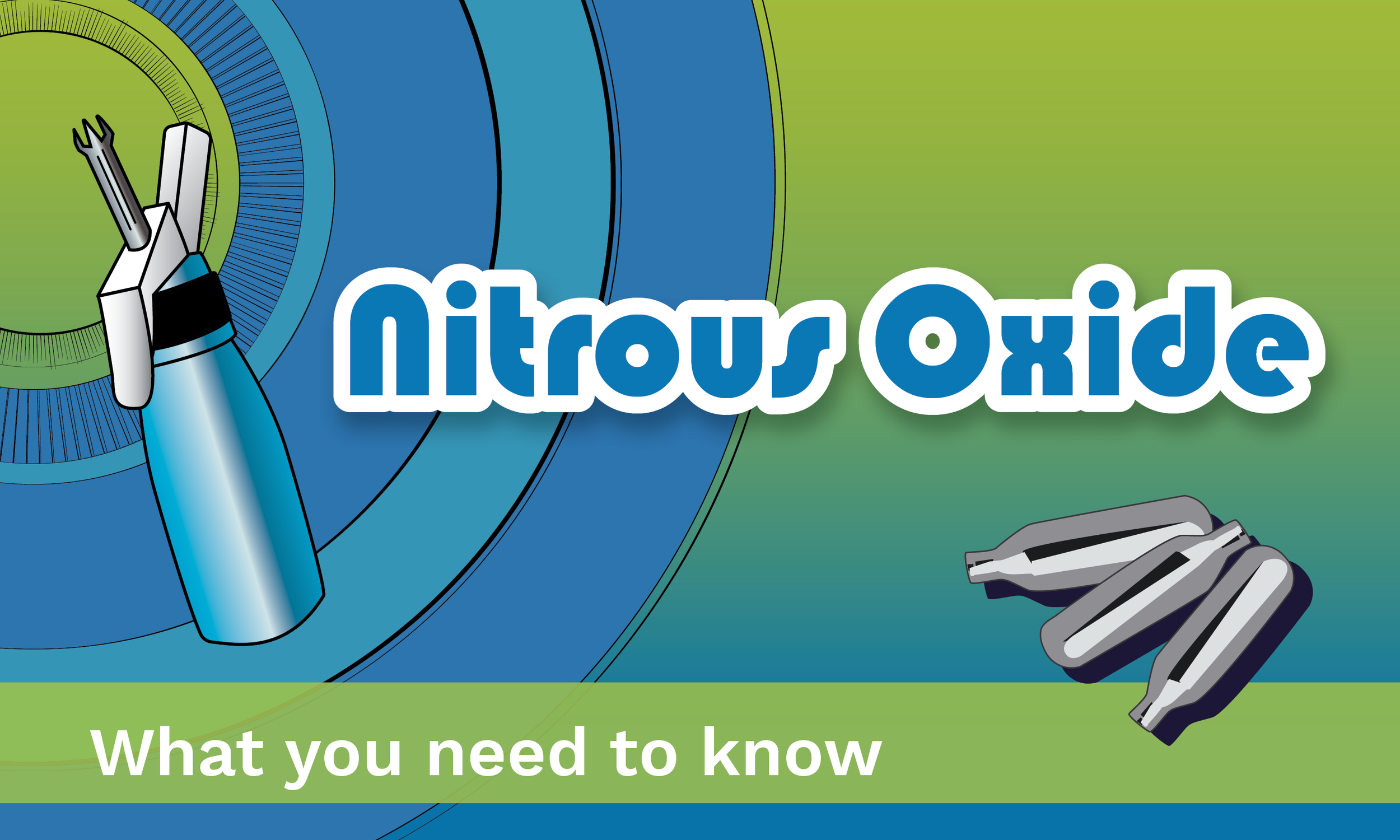
Nitrous Oxide
whippets/whip-its, dusters, laughing gas, balloons, nitrous
Nitrous oxide is a fast-acting dissociative gas often used in dentistry for pain relief and sedation that can also cause short-lived euphoria, laughter, body tingling, and a sense of detachment from surroundings or self. Used medically as “laughing gas,” it’s also popular in party settings for its quick, floaty high.
-
Effects begin within seconds, peak within 30 seconds, and usually fade within 1–2 minutes. Lingering lightheadedness or altered perception may last a few minutes longer.
Some people experience brief disorientation or loss of awareness or consciousness, especially with repeated use.
Can cause low oxygen levels when inhaled, leading to pale skin or blue lips/fingertips that can lead to fainting, confusion, or loss of consciousness.
Sound may seem echoey, slowed down, or distorted, also called ‘wah-wah’ sounds.
Causes a body buzz, tingling limbs, and a floaty feeling.
Regular use can inactivate vitamin B12, potentially causing nerve damage, numbness, or even paralysis.
-
Mixing drugs increases the risk of serious health issues. Always check individual interactions and limit combinations:
+ Depressants (like alcohol, benzos) = Compounds sedating effects and increases the risk of slowed breathing, vomiting, and passing out.
+ Stimulants (like cocaine, MDMA) = Can make you feel more in control than you are, increasing risk of accidents or overuse.
+Other Dissociatives (like ketamine, DXM) = Stacking dissociatives can make it hard to distinguish reality, increasing accident or injury risk.
-
Use a balloon and avoid inhaling directly from a canister.
Use gloves or cloth to avoid frostbite from cartridges.
Sit down while using to prevent injury from falls or fainting.
Breathe in fresh air between hits to avoid oxygen deprivation.
Avoid automotive nitrous oxide because it contains toxic chemicals.
B12 supplements help but won’t fully prevent nerve damage.
Avoid daily use and give your body time to recover between sessions. Tingling, weakness, or brain fog may be signs it’s time to take a break.
Languages available:
English, Spanish, French, Portuguese, Haitian Creole, Chinese, Russian, Arabic
Methamphetamine
Methamphetamine is a long-acting and powerful stimulant that increases energy, focus, confidence, and libido. First used in World War II, it’s now mostly used recreationally, including in queer party and sex scenes.
meth, crystal, ice, tina
-
Swallowed/Snorted: Onset in 15–45 minutes, peaks at 1–3 hours and can last 8–12+ hours.
Smoked/Injected: Immediate, intense rush (within seconds), effects peak quickly, can last 6–12+ hours.
Stimulation from meth can continue for 24+ hours after using, especially after binging.
Side effects and complications include jaw clenching or grinding, dry mouth, itching, overheating (hyperthermia), especially in warmer months, insomnia, fast heartbeat and increased blood pressure, racing thoughts, anxiety or agitation, and paranoia or psychosis.
The comedown may bring anxiety, fatigue, and low mood for 1-3 days.
Binge use can lead to excessive stimulation and insomnia, hallucinations, and psychosis.
-
Mixing drugs increases the risk of serious health issues. Always check individual interactions and limit combinations:
+ Opioids = Increases risk of sedation and slowed or stopped breathing.
+ Other Stimulants (like cocaine, MDMA) = Increases risk of “overamping”, cardiovascular stress (heart rate/blood pressure), agitation, and psychosis.
+ Alcohol and Other Sedatives = Increases sedation, especially when meth wears off.
+ Depressants (like benzos, GHB) = May lead to blackouts, overdose, or slowed or stopped breathing.
+ Erectile Dysfunction Drugs (like Viagra, Cialis) = Can cause dangerous swings in blood pressure, especially during sexual activity, and increase the risk of a heart attack, stroke, or sudden death.
-
Don’t share snorting tools, smoke kits or injection supplies to prevent the spread of HIV, Hepatitis C, and other infections.
Start low and go slow: Avoid using again too quickly.
Meth can suppress body signals for hunger and thirst. Set phone reminders to hydrate, eat, and cool down.
If using during sex, discuss boundaries with your partner(s) before you use drugs.
People under chronic stress, or dealing with low mood or energy, may be more vulnerable to meth dependency. Check in with yourself and know help is available.
Call 911 if someone experiences confusion, agitation, loss of consciousness, seizures, high body temperature, or chest pain.
Keep naloxone nearby: there is a risk that substances sold as or mistaken for meth may contain opioids (such as fentanyl) or other adulterants. Having naloxone accessible can help reverse a potential opioid overdose if exposure occurs.
Languages available:
English, Spanish, French, Portuguese, Haitian Creole, Chinese, Russian, Arabic
Ketamine
Ketamine is a dissociative anesthetic that can make you feel detached from your body, thoughts, or surroundings. It’s used in clinical settings for pain and treatment-resistant depression and recreationally, especially in party scenes.
Special K, ket
-
Snorted: Effects begin in 5–15 minutes, peak around 30–60 minutes and taper off over 1.5 to 2 hours. Lingering after-effects may last longer.
Low doses may feel floaty, euphoric, or mildly dissociated, like being tipsy or dreamlike. At higher doses, people can experience extreme agitation, hallucinations, and paranoia.
Very high doses can lead to a 'K-hole,' a state of full dissociation that may feel completely disconnected from the body and surroundings, even paralyzing.
-
Mixing drugs increases the risk of serious health issues. Always check individual interactions and limit combinations:
+ Opioids = increases sedation, slowed or stopped breathing, especially when ketamine wears off.
+ Alcohol and Other Sedatives (like benzos, GHB) = Increases sedation, especially when ketamine wears off.
+ Stimulants (like cocaine, meth) = Raises risk of “overamping,” cardiovascular stress (heart rate/blood pressure), agitation, and hyperthermia (especially in warmer months).
+ Other Dissociatives (like nitrous, DXM) = Stacking dissociatives can make it hard to distinguish reality, increasing risks for accident or injury.
-
Don’t share snorting tools to prevent HIV, Hepatitis C, and other infections.
Start low and go slow: High doses can be intense, especially in public.
Use in safe, familiar places, and not alone.
Avoid using if you’ve eaten a heavy meal. It can cause nausea or vomiting for some.
Sit or lie down to avoid falls or injury.
Use saline spray and switch up nostrils to limit damage to your nose.
Take breaks: Using ketamine regularly can lead to increased tolerance, changes in mental clarity over time, and harm your bladder and urinary tract.
Keep naloxone nearby: there is a risk that substances sold as or mistaken for ketamine may contain opioids (such as fentanyl) or other adulterants. Having naloxone accessible can help reverse a potential opioid overdose if exposure occurs.
Languages available:
English, Spanish, French, Portuguese, Haitian Creole, Chinese, Russian, Arabic
GHB/GBL
GHB (Gamma-Hydroxybutyric acid) and GBL (gamma-butyrolactone) are central nervous system depressants used for their sedative and euphoric effects. GHB is used in medicine for the treatment of narcolepsy, and is used recreationally in party settings, clubs, raves, or during sex.
G, liquid ecstasy
-
Both substances are often grouped together, but GBL converts to GHB in the body and is often stronger and faster acting.
GHB/GHL are usually swallowed in liquid form, mixed into a drink. Sometimes they’re found in powder form.
Effects begin in 5-20 minutes, peak around 60 minutes, and usually fade within 2–4 hours. Higher doses can cause sudden sedation or unconsciousness.
Side effects and complications include dizziness, nausea, vomiting, confusion, sweating, loss of coordination, slowed breathing, memory loss, agitation, blackouts, unconsciousness, seizures, and coma.
Crash: Can include confusion, anxiety, shakiness, sweating, insomnia, or low mood. Heavy or frequent use may lead to dependence and dangerous withdrawal symptoms.
-
Risky GHB/GBL combos:
Mixing drugs increases the risk of serious health issues. Always check individual interactions and limit combinations:
+ Alcohol = greatly increases the risk of blackouts, slowed breathing, sedation, and overdose.
+ Benzodiazepines (like Xanax, Klonopin, Valium) = can cause sedation and and increase overdose risk.
+ Opioids (like fentanyl, heroin, oxycodone) = high risk of fatal overdose due to slowed or stopped breathing.
+ Ketamine = increases sedation, confusion, and loss of consciousness.
+ Muscle relaxants/gabapentin = can cause severe drowsiness, dizziness, impaired coordination, loss of consciousness, and breathing problems, especially at higher doses.
+ Sleep aids (over-the-counter or prescription) = can increase sedation, raising the risk of unconsciousness, overdose, coma, and death.
+ Antidepressants/antipsychotics = can increase sedation, dizziness, confusion, low blood pressure, and in some cases raise the risk of loss of consciousness or dangerous side effects. Risks vary depending on the medication.
! Always keep an eye on your drink: Because GHB/GBL are often clear liquids, they can be mistaken for water or added to drinks without someone’s knowledge.
-
Measure doses carefully using a syringe or measured dropper. Small differences in the amount can have strong effects.
Repeated use too close together increases overdose risk because effects can stack unexpectedly. Track your doses and wait at least 2 hours before redosing.
Avoid mixing with alcohol or other depressants. Most serious GHB-related emergencies involve drug combinations.
Use with people you trust and avoid using alone.
Store clearly labeled and away from other liquids to prevent accidental ingestion.
If someone passes out, place them on their side (recovery position) and monitor their breathing.
Call 911 if someone is difficult to wake, has slowed or stopped breathing, turns blue or gray, has a seizure, or becomes unresponsive.
Naloxone will not reverse GHB itself, but it should still be given if opioid exposure is possible or unknown.
Languages available:
English, Spanish, French, Portuguese, Haitian Creole, Chinese, Russian, Arabic